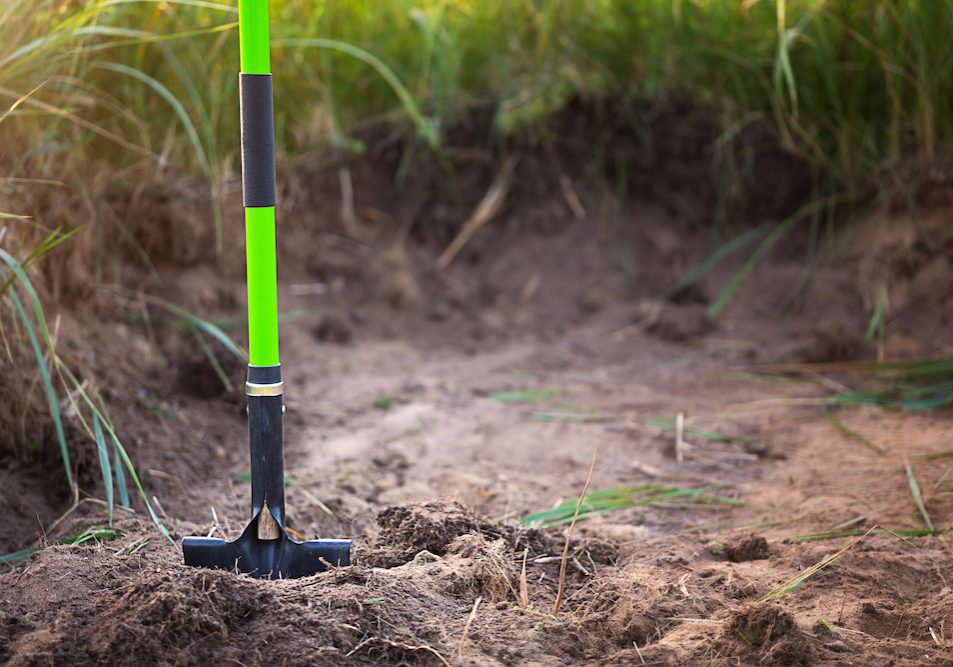
For property owners in rural areas without access to city sewer systems, installing a septic system is a crucial step. In Pierce County, Washington, before installation begins, a septic site evaluation in Pierce County must be completed to ensure the land can support a system safely and effectively.
Knowing what you need for the evaluation process helps make sure your project goes well and follows the local health regulations.
Key Takeaways
- A septic site evaluation is required: Before installing a septic system, Pierce County requires a site evaluation to check that your property can safely and properly handle a septic system.
- Soil tests are critical: A perk test measures how well your soil can drain water, which is important for your septic system to work right.
- Setbacks protect sensitive areas: Pierce County requires your system to be far enough away from wells, water bodies, and property lines to prevent contamination.
- High water tables may require adjustments: If your property has a high water table, you may need to modify the septic system or choose a different location.
- Proper preparation avoids delays: Hiring a licensed designer or professional engineer and providing the right documents can make the review and approval process go more smoothly.
What is a Septic Site Evaluation?
A septic site evaluation in Pierce County is an assessment of your property to determine if it’s suitable for a septic system. This evaluation looks at various factors, such as soil composition, water table depth, and the slope of the land. These elements ensure your septic system can clean and drain wastewater safely without harming the environment or breaking down.
The Pierce County Health Department oversees septic system regulations, protecting public health and the environment. They enforce the regulations that ensure your septic system design fits your property’s unique characteristics and complies with local laws.
Pierce County’s Septic Site Evaluation Requirements
Pierce County has septic site evaluation requirements that ensure septic systems are installed safely and efficiently. These requirements minimize risks to the environment and public health. Property owners must meet these guidelines before they can begin installing a septic system. The evaluation process involves multiple factors that assess the suitability of your property for septic use. It’s crucial to address each requirement to avoid delays or complications in the approval process.
Below are some of the key considerations Pierce County takes into account when evaluating your site:
- Soil Testing (Perk Tests): Soil composition plays a significant role in determining how well your septic system will function. A septic system soil test in Pierce County measures how quickly the soil can absorb water, which directly impacts the system’s ability to drain wastewater.
- Setbacks: Your septic system must be installed at a safe distance from wells, bodies of water, property lines, and other sensitive areas. These Pierce County septic system requirements protect groundwater sources and prevent contamination.
- Water Table and Floodplain Considerations: Your property’s water table must be deep enough to allow wastewater to drain efficiently. If your property is located in a floodplain or has a high water table, additional measures or system modifications may be required.
To get approval for installation, you need to submit the proper documentation, including soil test results and a site plan, to the Pierce County Health Department.
Step-by-Step Guide to Preparing for a Septic Site Evaluation in Pierce County
Preparing for a septic site evaluation in Pierce County requires careful planning and attention to detail to ensure everything goes well. By taking the necessary steps early in the process, you can avoid potential delays and address issues that may arise during the evaluation.
Proper preparation helps you follow the county’s rules and ensure your septic system is built and installed properly. This protects your property and keeps the environment safe. Below is a step-by-step guide to help you get ready for your septic site inspection in Pierce County:
- Hire a Certified Septic System Designer: The first step is to find a licensed designer or a professional engineer to evaluate your property and recommend a septic system design that meets Pierce County’s requirements. The designer will also submit the site application to the health department.
- Schedule a Preliminary Property Assessment: Have your property assessed by the licensed designer to identify potential soil drainage, slope, or setback issues. This preliminary assessment can help you address problems before official testing begins and will be the basis for the septic system proposal.
- Conduct Soil Testing: The perk test is a critical part of the process. It measures how well your soil can absorb water, and poor results may require alternative solutions like a mound system.
- Submit Required Documentation: Once the preliminary tests are completed, the licensed designer or professional engineer must submit the necessary paperwork, including the site plan and test results, to Pierce County for review.
- Wait for Health Department Approval: After submitting the documents, you must wait for the county’s approval before proceeding with septic system installation.
Once the site plan is approved, the designer or engineer will collaborate with the master installer. Site evaluations will continue at various points during the installation.
These steps will prepare you to meet Pierce County’s requirements and ensure a successful septic system installation.
Common Challenges During the Site Evaluation Process
The septic site evaluation process can come with several challenges that may delay or complicate the installation of your septic system. Knowing these potential issues beforehand allows you to plan effectively and address them early. The usual problems often involve the quality of the soil, the amount of water available, and how close the project is to areas that need to be protected. These issues might mean you have to change the design of the system or its location.
By preparing in advance and working closely with a licensed septic system designer, you can navigate these obstacles and ensure a smooth installation process. Here are some of the most common challenges:
- Poor Soil Drainage: If the perk test reveals that your soil doesn’t drain well, this could complicate the system’s design. However, alternatives such as mound systems or enhanced treatment methods can still make installation possible.
- High Water Table: A high water table can limit the function of your septic system. In these cases, system modifications or choosing a different location on your property may be necessary.
- Proximity to Water Sources: Properties near wetlands, streams, or other water bodies may face stricter septic system regulations in Pierce County. Adjusting your septic system’s location to meet these requirements is crucial for protecting your system and the environment.
By anticipating these challenges and working with an experienced septic system designer, you can overcome these obstacles and keep your project on track.
The Benefits of a Thorough Site Evaluation
A detailed site evaluation is essential for ensuring that your septic system operates efficiently for years to come. A thorough evaluation helps to prevent future system failures, costly repairs, and environmental hazards. It also ensures that your system complies with Pierce County septic system requirements, safeguarding your property and local water supply.
A proper evaluation will give you peace of mind, knowing that your system is designed to handle your household’s wastewater needs while minimizing potential risks to your property or the environment.
Frequently Asked Questions
What is the purpose of a septic site evaluation?
A septic site evaluation checks whether your land can support a septic system without causing problems. It looks at the soil quality, how high the water underground is, and how the land is set up. This is to ensure the system can drain well and follow health regulations.
What documentation do I need to submit to Pierce County?
Before installation can begin, the licensed septic system designer or professional engineer needs to submit soil test results, site plans, and other related documents to the Pierce County Health Department for review and approval.
What if my soil doesn’t drain well?
If your soil doesn’t drain water well, you might need to use different methods like a raised mound system or other advanced technologies. This helps in managing wastewater effectively.
How do setback requirements affect my septic system installation?
Setback requirements ensure your septic system is installed far enough away from wells, water bodies, property lines, and other sensitive areas. This is to protect groundwater and local ecosystems.
Can I install a septic system if my property is in a floodplain?
Yes, but you might need to do more to keep the septic system safe from flood damage. Depending on the property, this could mean making changes to the system or thinking carefully about its location.
Final Thoughts
Navigating the septic site evaluation in Pierce County is critical for property owners looking to install a reliable and efficient septic system. By preparing thoroughly and understanding the county’s specific regulations, you can ensure a smooth process and long-term success for your system.
At Streepy Septic Design, we specialize in guiding property owners through the evaluation and installation process. We ensure that your septic system meets all local health standards while protecting your investment for the future.
Contact us today for expert septic consulting and to get started on your site evaluation.
Share This Post
Related Blog Posts
How Bedroom or Bathroom Additions Affect Septic Systems in Pierce County