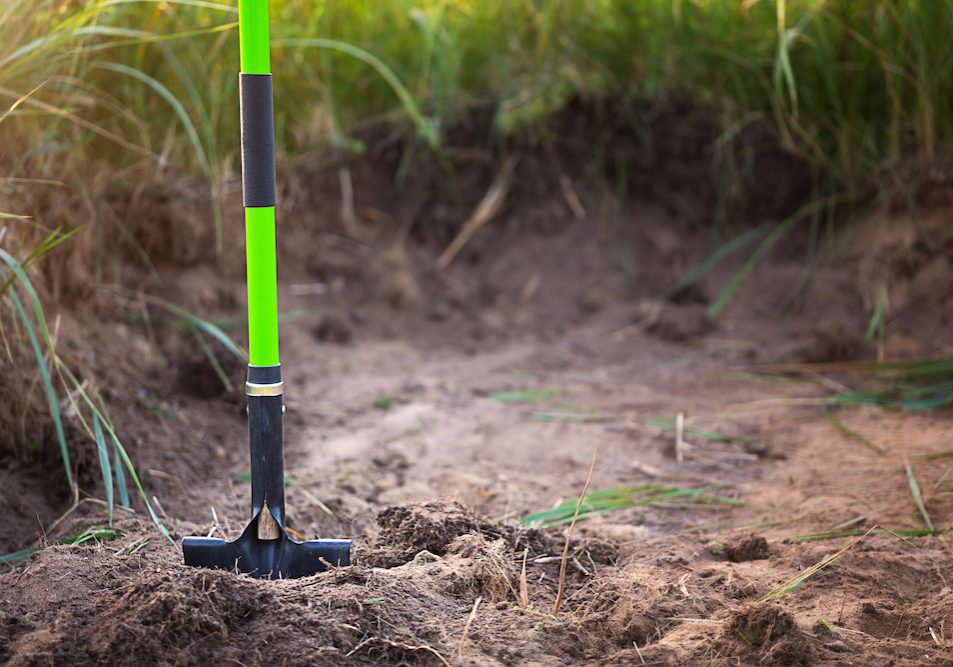
Understanding soil permeability is vital when planning any property development, especially when designing septic systems. Soil permeability determines how easily water can pass through soil layers, which directly affects how well your septic system will function.
For property owners and developers, knowing how soil characteristics affect property development can save time, reduce costs, and prevent potential issues.
Key Takeaways
- Soil Permeability and Drainage: Knowing soil permeability helps design effective septic and drainage systems, preventing issues like pooling, flooding, and contamination.
- Efficiency and Maintenance: Properties with appropriate soil permeability face fewer drainage problems and require less long-term maintenance.
- Environmental Protection: Proper soil permeability promotes natural filtration, protecting groundwater and surrounding ecosystems.
- Regulatory Compliance: Testing soil permeability is required by law to meet environmental standards and avoid legal issues.
- Cost Considerations: Early testing helps in budgeting effectively and prevents unexpected expenses from poor drainage or system failures.
5 Ways Soil Permeability Impacts Property Development
Soil permeability plays a key role in property development, affecting drainage, septic systems, and environmental safety. By understanding how soil absorbs and filters water, developers can avoid common issues like flooding, septic failures, and environmental damage. Early septic feasibility tests help spot potential problems, leading to more successful projects.
Here are five ways soil permeability can impact property development:
1. Proper Drainage
Soil permeability plays an important role in ensuring water drains properly on the property. When water drains too slowly, it can cause pooling, flooding, or even structural damage. On the other hand, if water drains too quickly, there might not be enough time for the soil to filter harmful substances, leading to erosion or contamination.
- Sandy soils: High permeability allows water to drain quickly, preventing surface water pooling but potentially lacking in filtering contaminants effectively.
- Clay soils: Low permeability slows drainage, increasing the risk of water buildup and potential damage.
- Loam soils: These provide an ideal balance for drainage, making them the best choice for property development and septic systems.
Developers who conduct septic feasibility tests before starting construction ensure the land is suitable for proper drainage, preventing issues in the future.
2. Optimized Septic System Design
The efficiency of any septic system heavily relies on soil permeability. When soil absorbs and filters water at an ideal rate, systems require fewer maintenance interventions and can last longer.
Soils with balanced permeability reduce the risk of septic failures, such as drainage overload or erosion. Understanding the soil’s characteristics through a site analysis allows us to design a septic system that is more durable and cost-effective over the long term.
3. Environmental Protection
Proper soil permeability helps protect the environment by filtering wastewater before it reaches groundwater. In areas with poorly drained or overly permeable soil, untreated water can cause contamination and erosion, affecting local ecosystems.
Landowners and developers who ensure appropriate soil permeability help safeguard both their property and the surrounding environment. Conducting a septic feasibility study provides essential information for proper system design and placement, significantly reducing the risk of harming local water sources or wildlife.
4. Regulatory Compliance
Washington State and county regulations require soil permeability tests before property development. These tests ensure that the land won’t contribute to environmental issues such as flooding, erosion, or contamination.
Following regulatory guidelines helps developers and property owners avoid legal troubles and ensures that the project remains safe and sustainable. Conducting these tests from the beginning helps avoid delays and additional costs related to compliance issues.
5. Cost Efficiency
Accurate soil permeability testing can save money on both design and long-term maintenance costs. Poorly permeable soils may require additional interventions, such as engineered drainage systems or soil amendments, driving up costs. In contrast, well-permeable soils simplify the design process and minimize long-term expenses.
By conducting a septic feasibility test early, developers and landowners get a clear understanding of their budget and can prevent costly surprises related to drainage or septic system failures.
Frequently Asked Questions
What is soil permeability?
Soil permeability refers to how easily water passes through the soil. It is a crucial factor in property development as it impacts drainage, erosion, and filtration.
How can I test soil permeability for my property?
A percolation test, or soil feasibility analysis, is used to determine soil permeability. Streepy Septic Design offers percolation tests. Contact us for more information.
Why is soil permeability important for property development?
Soil permeability determines how well water drains and filters through the soil, affecting septic system efficiency and helping prevent issues like flooding and contamination.
Can soil permeability be improved if it’s not ideal?
Yes, soil amendments like adding sand to clay-heavy soils or installing engineered drainage systems can improve soil permeability. Contact us to learn more about how Streepy Septic Design can help.
What happens if my soil has poor permeability?
If your soil has poor permeability, it can lead to drainage issues, water pooling, and erosion. This could damage property infrastructure and increase maintenance costs over time.
Final Thoughts
Soil permeability plays a critical role in property development and septic system design. By testing soil permeability before building, developers and landowners can make informed decisions that lead to a more efficient septic system, ensuring compliance with regulations and protecting the environment.
Streepy Septic Design offers on-site septic system services and emphasizes the importance of thorough soil testing and informed planning to ensure your septic system operates smoothly and sustainably.
Proper soil permeability not only benefits your system but also protects the environment and complies with regulatory standards.
Contact us today to schedule your soil and site analysis and take the first step toward a successful, environmentally responsible property development project.
Share This Post
Related Blog Posts
How Bedroom or Bathroom Additions Affect Septic Systems in Pierce County